























Winter Radiator Buying Guide 2025: Choose the Perfect Radiator for Your Home

Winter is coming and with it, higher heating bills, chilly rooms, and the need for efficient, stylish radiators. Whether you're upgrading an old system or furnishing a new build, the right radiator does more than just warm a room: it enhances your interior and cuts wasted energy.
In this Winter Radiator Buying Guide 2025, we'll walk you through everything you need to know: calculating heat demand, comparing materials, choosing styles, and ensuring installation is efficient and effective. By the end, you'll know exactly which radiator fits your space, your style, and your budget.
1. How Much Heat Do You Need? (BTU, Room Heat Loss & Sizing)
Every radiator is measured by its heat output, shown in British Thermal Units (BTUs) or Watts. The BTU tells you how much heat a radiator can emit and whether it's powerful enough for your room.
-
Room size matters: Larger rooms need higher BTU ratings.
-
Insulation quality: Poor insulation and single glazing increase BTU requirements.
-
Number of windows: More windows mean more heat loss.
It's better to slightly oversize than undersize. If your radiator is too small, the room will always feel cold. If it's too big, you'll waste energy. Use an online BTU calculator to find the correct output.
Example: A medium-sized living room (4m × 3.5m × 2.4m) with one exterior wall may require around 4,000-5,000 BTU. That could be one larger radiator or two smaller ones placed on opposite walls.

2. Types of Radiators
Radiators are no longer just white metal panels. Today, you can choose from a wide variety of types to match your heating needs and interior style.
-
Designer Radiators
Statement pieces available in colours, shapes, and bespoke finishes. Perfect for modern interiors. -
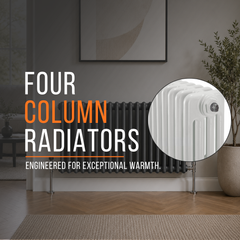
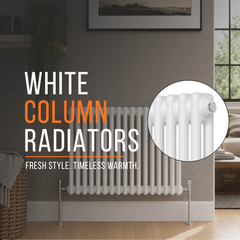
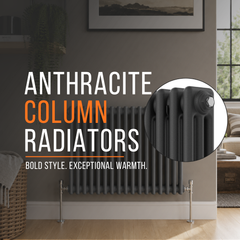
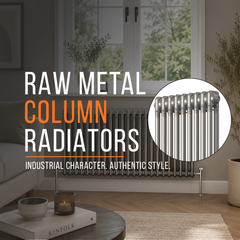
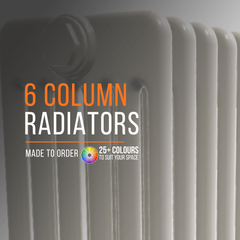
Column Radiators
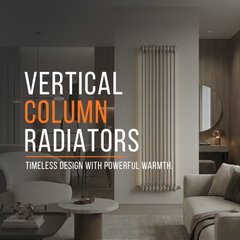
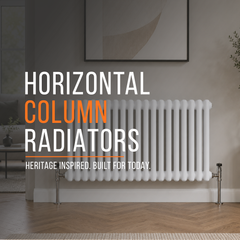
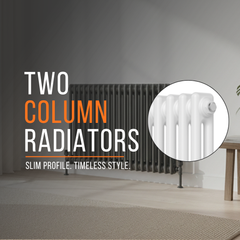
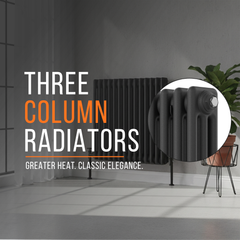
Classic, traditional look with excellent heat retention. Available in horizontal and vertical options. -
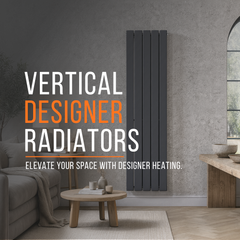
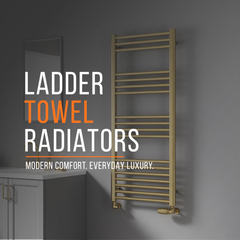
Vertical Radiators
Space-saving and stylish, ideal for hallways and narrow walls. -
Dual Fuel Radiators
Offer the flexibility of central heating and an electric element. Great for bathrooms. -
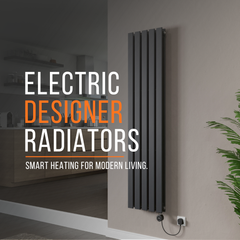
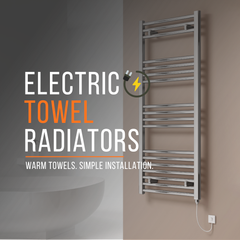
Electric Radiators
Useful where plumbing isn't available. Independent control but can be more expensive to run.
3. Radiator Materials and Efficiency
Radiator material plays a big role in how quickly it heats up and how long it stays warm.
-
Steel: The most common, affordable, and reliable.
-
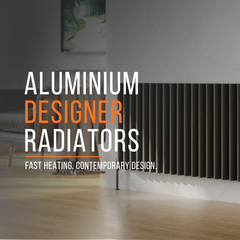
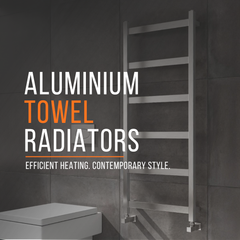
Aluminium: Lightweight, heats up fast, and cools down quickly, ideal for modern homes.
-
Cast Iron: Slow to heat, but excellent heat retention. Perfect for traditional properties.
-
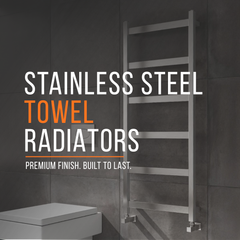
Stainless Steel: Corrosion-resistant and stylish, often with a premium price tag.
When considering efficiency, remember that a well-insulated room and smart valve controls will have just as much impact as the radiator itself.

4. Style, Size, and Layout
Your radiator should fit both your space and your interior design.
-
Style: Choose colours, finishes, and designs that complement your décor. Radiators now come in bold colours and artistic shapes.
-
Placement: Radiators work best on external walls, ideally under windows to offset cold drafts.
-
Layout: Avoid placing radiators behind large furniture or heavy curtains as it reduces efficiency.
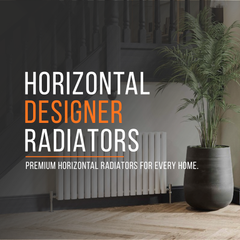
Vertical radiators are ideal where wall space is limited, while horizontal radiators suit under window positions.
5. Valves, Controls, and Smart Features
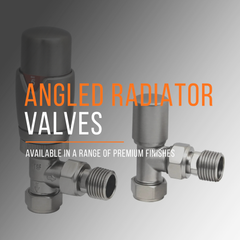
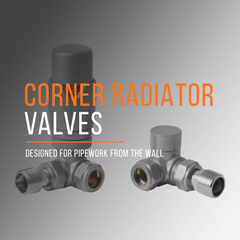
The type of valve you choose has a big impact on efficiency.
-
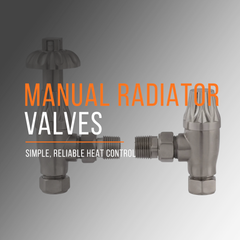
Manual Valves: Basic on/off control.
-
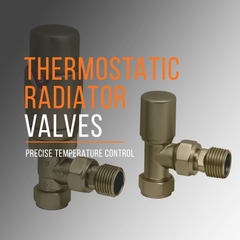
Thermostatic Radiator Valves (TRVs): Adjust automatically to room temperature.
-
Smart Valves: Controlled via apps, allowing zoning, scheduling, and integration with smart home systems.
-
Dual Fuel Valves: Allow switching between central heating and electric elements.
Upgrading to thermostatic or smart valves can save significant energy over winter.
6. Installation and Maintenance
Installing a new radiator should always be carried out by a qualified heating engineer if pipework changes are needed.
Tips for installation and care:
-
Bleed radiators after installation to release trapped air.
-
Balance the system so each radiator heats evenly.
-
Clean surfaces regularly to remove dust.
-
Add corrosion inhibitor to prolong radiator life.
-
Annually check valves and pipe connections for leaks.
Avoid common mistakes like under sizing radiators, blocking airflow, or mounting heavy radiators on weak walls without proper fixings.
7. Cost Considerations
Radiator prices vary depending on type, material, and design.
-
Standard panel radiator: £70-£250
-
Designer radiator: £150-£1,000+ depending on size and finish
-
Column radiator: £200-£700
-
Vertical radiator: £200-£900
-
Dual fuel or electric: £200-£1,200+
Factor in installation costs (£100-£250 per radiator on average) and long-term savings from more efficient models.
8. Radiator Trends for Winter 2025
Radiator design continues to evolve, blending efficiency with style. Here are the biggest trends this winter:
-
Bold colours and finishes to match décor
-
Dual fuel options for flexibility
-
Smart valves and controls for energy saving
-
Sustainable materials and eco-conscious designs
At Designer Radiator Showroom, we're seeing strong demand for vertical designer radiators and bespoke finishes, helping homeowners balance warmth and style.
Conclusion
Choosing the right radiator this winter is about more than just staying warm it's about saving money, improving efficiency, and enhancing your home's interior.
At Designer Radiator Showroom, we stock a wide range of designer, vertical, column, and dual fuel radiators to suit every style and budget. Browse our collections online today or speak to our expert team for tailored advice.
Call to Action:
Explore our full range of Designer Radiators at DRS and get your home winter-ready.
FAQs
How do I calculate the right BTU for my room?
Multiply the room's length × width × height and adjust for windows and insulation. Use an online BTU calculator for accuracy.
Which type of radiator is best for winter in the UK?
Steel and aluminium radiators are the most popular. Aluminium heats quickly, while steel retains heat. Double panel and column radiators are excellent for winter efficiency.
Are vertical radiators efficient?
Yes, provided they are sized correctly in BTU, vertical radiators can be as efficient as horizontal ones.
What's the benefit of dual fuel radiators?
They allow you to run the radiator on central heating in winter or switch to electric for occasional use in warmer months.
How can I make my radiators more efficient this winter?
Bleed them regularly, fit TRVs, and keep them clear of furniture.
Do designer radiators heat less than standard ones?
Not if correctly sized. Always check the BTU rating against your room's needs.
Should I replace my old radiators before winter?
If they're over 15 years old, rusty, or inefficient, upgrading can improve comfort and save on bills.


