




















Which Radiators Should You Bleed First? Complete UK Homeowner Guide


Which Radiators Should You Bleed First? Complete UK Homeowner Guide
If your radiators are making gurgling noises, heating unevenly, or staying cold at the top, there is a good chance air is trapped inside your central heating system.
Bleeding your radiators is one of the simplest and most effective ways to restore your heating system's performance. It releases trapped air and allows hot water to circulate properly through the system.
A common question homeowners ask is:
Which radiators should you bleed first?
The order actually matters. Bleeding them in the correct sequence ensures trapped air is removed efficiently and prevents problems such as low pressure or uneven heating.
This guide explains the correct order to bleed radiators, why it matters, and how to do it safely.
Why Bleeding Radiators Is Important
Over time, air naturally builds up inside central heating systems. When this happens, it blocks hot water from circulating properly through your radiators.
This can cause several problems:
Poor Heating Performance
Air pockets stop hot water reaching the entire radiator, causing cold spots at the top.
Higher Energy Bills
Your boiler must work harder to heat your home when radiators are not working efficiently.
Noisy Radiators
Trapped air can create gurgling, bubbling, or knocking sounds inside the radiator.
Uneven Room Temperatures
Some rooms may feel warm while others remain cold.
Bleeding your radiators removes the trapped air and restores full heating efficiency.


Which Radiators Should You Bleed First?
The correct order for bleeding radiators is:
Start with the radiator furthest from the boiler and work your way back towards it.
This allows air to move through the system and escape properly.
Step 1: Start With the Radiator Furthest From the Boiler
Begin with the radiator that is the most distant from your boiler.
In many homes this is:
- A radiator on the top floor
- The radiator located at the end of the heating pipe circuit
Air naturally travels to the highest and furthest points in a heating system, which is why these radiators usually contain the most trapped air.
Step 2: Work Methodically Through the House
After bleeding the furthest radiator, continue bleeding radiators in order of distance from the boiler.
A good approach is:
- Start upstairs
- Move across the floor
- Then move downstairs
- Work towards the boiler
This ensures air is gradually pushed out of the system.
Step 3: Bleed Radiators Closest to the Boiler Last
Radiators closest to the boiler should always be done last.
These radiators typically contain the least trapped air, so leaving them until the end allows any remaining air to travel through the system and escape.


How to Bleed a Radiator (Step-by-Step Guide)
Bleeding a radiator is a quick job that usually takes less than five minutes per radiator.
Step 1: Turn Off Your Heating
Switch off your central heating system and allow the radiators to cool down completely.
This prevents burns and stops hot water circulating during the process.
Step 2: Gather Your Tools
You will need:
- A radiator bleed key
- A cloth or towel
- A small bowl or container
Some modern radiators use flathead screwdrivers instead of bleed keys.
Step 3: Locate the Bleed Valve
The bleed valve is usually located at the top corner of the radiator.
It is a small square or slotted valve.
Step 4: Open the Valve Slowly
Insert the radiator key and turn it anti-clockwise slowly.
You should hear a hissing sound, which is the trapped air escaping.
Step 5: Wait for Water to Appear
When water begins to flow out steadily, the air has been fully released.
Immediately turn the valve clockwise to close it.
Step 6: Check Your Boiler Pressure
After bleeding multiple radiators, your boiler pressure may drop.
Check your pressure gauge and top it up if necessary following your boiler manufacturer's instructions.
Most systems should sit between 1.0 and 1.5 bar.

Signs Your Radiators Need Bleeding
You may need to bleed your radiators if you notice:
- Radiators cold at the top but warm at the bottom
- Strange noises like gurgling or bubbling
- Rooms taking longer to heat up
- Uneven heating across the house
- Increased energy bills
These symptoms usually indicate trapped air in the heating system.
How Often Should You Bleed Radiators?
Most homeowners should bleed radiators:
Once per year, ideally before winter.
However, you should also bleed radiators whenever you notice:
- Cold spots
- Noisy radiators
- Poor heating performance
Regular maintenance helps keep your heating system working efficiently.
When You Should Call a Heating Engineer
Bleeding radiators usually solves most heating issues, but sometimes a deeper problem exists.
You may need professional help if:
- Radiators remain cold after bleeding
- Boiler pressure drops frequently
- Radiators need bleeding every few weeks
- Sludge or dirty water appears
These issues can indicate blockages, sludge buildup, or circulation problems inside the heating system.
Upgrade Your Heating With Modern Designer Radiators
If your radiators are old, inefficient, or constantly causing problems, it may be time for an upgrade.
Modern designer radiators not only improve heating performance but also transform the look of your home.
At Designer Radiator Showroom, we offer a wide range of:
- Horizontal designer radiators
- Vertical radiators
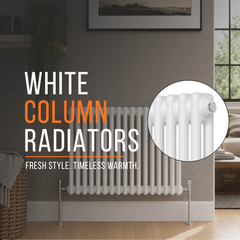
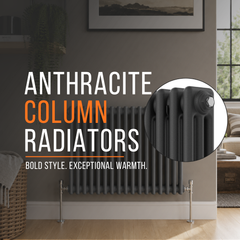
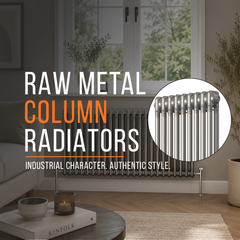
- Column radiators
- Aluminium radiators
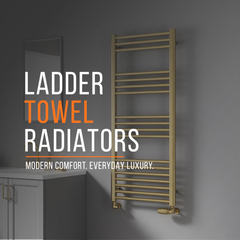
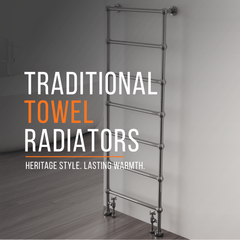
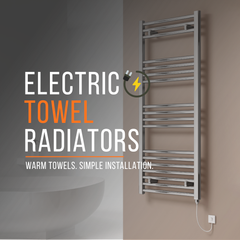
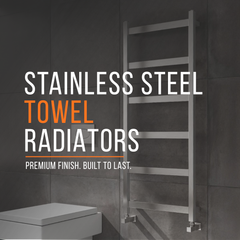
- Towel radiators
All designed to work seamlessly with UK central heating systems.
Explore our collection here: our full range of designer radiators
FAQs
Should you bleed radiators with heating on or off?
You should always bleed radiators with the heating turned off to avoid hot water spraying out and to ensure accurate air release.
Why is my radiator cold at the top?
A radiator that is cold at the top usually contains trapped air, which blocks hot water circulation.
Bleeding the radiator normally fixes the issue.
What happens if you don't bleed radiators?
If radiators are not bled regularly, trapped air can reduce heating efficiency, increase energy bills, and cause uneven heating.
Do all radiators need bleeding?
Not always. Only radiators showing symptoms such as cold spots or noise need bleeding.
However, checking them annually is recommended.
Final Thoughts
Bleeding your radiators is a simple but effective way to maintain your heating system.
Remember the key rule:
Start with the radiator furthest from the boiler and work your way towards it.
Following the correct order ensures trapped air is removed efficiently and helps your heating system run smoothly throughout winter.
If you are thinking about upgrading your heating, browse our range of modern designer radiators to improve both efficiency and style in your home.


