


















Dual Fuel Towel Rail Guide UK 2026: Costs & Advice

There’s a point every year, usually around April or May, where your heating is off, but your bathroom still feels cold enough to notice.
You step out of the shower expecting a bit of warmth, but instead you’re met with a cold room and a damp towel that hasn’t properly dried since yesterday.
This is exactly where a dual fuel towel rail makes a real difference.
It’s one of those upgrades that sounds simple, but once you’ve got it, you won’t want to go back. The ability to heat your towel rail without turning your entire heating system on is not just convenient, it’s efficient and genuinely useful in UK homes.
If you’re thinking about upgrading, this guide covers everything you actually need to know before buying.
What Is a Dual Fuel Towel Rail?
A dual fuel towel rail is a heated towel rail that works in two ways:
- Connected to your central heating system
- Powered independently using electricity
You switch between the two depending on the time of year.
In winter, it works like a normal radiator. In summer, you switch to electric mode and keep your towels warm without turning the boiler on.
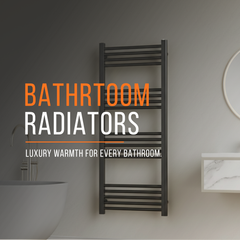
If you’re browsing options, you can see a full range here: Bathroom Radiators/

Why Dual Fuel Towel Rails Are Worth It in the UK
Most UK homes rely on central heating systems that are either fully on or fully off.
That creates a gap in spring and summer where bathrooms feel cold, but you don’t want to heat the whole house.
A dual fuel towel rail solves that.
You get:
- Warm towels all year
- Lower energy waste
- Better control over heating
It’s a small upgrade that improves everyday comfort more than most people expect.
How a Dual Fuel Towel Rail Works
The setup is straightforward.
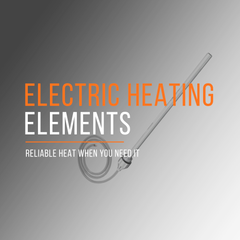
Your towel rail connects to your central heating system as normal. One side includes a T-piece, allowing an electric heating element to be installed.
That element heats the internal fluid when switched on.
Electric Mode
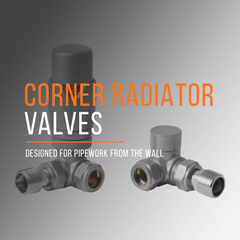
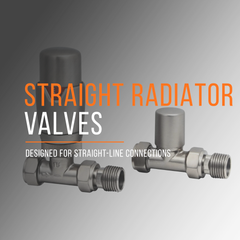
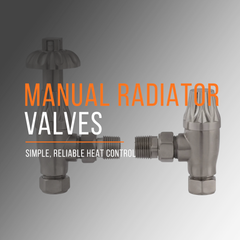
- Close the radiator valves
- Turn on the element
Central Heating Mode
- Open valves
- Turn the element off
One important thing to remember: never use both at the same time. Doing that reduces efficiency and can damage the element over time.

Dual Fuel vs Electric Towel Rails
If you’re deciding between the two, here’s the honest breakdown.
Go for Dual Fuel if:
- You already have pipework
- You want cheaper running in winter
- You want flexibility
Go for Electric if:
- No existing central heating connection
- You want simpler installation
- You’re fine with slightly higher running costs
A dual fuel towel rail gives you the best of both worlds. In winter, it works alongside your central heating system like a normal radiator, helping keep running costs lower. In summer, you can switch to electric mode independently and a more comfortable bathroom without turning the boiler on.
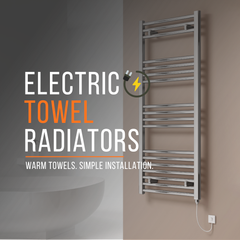
Electric towel rails are still a great option in certain situations, especially in loft conversions, en-suites, extensions, or rooms where adding central heating pipework would be difficult or expensive.

Running Costs: What You’ll Actually Pay
Using current UK energy pricing from Ofgem:
Electric Mode (Summer)
- 150W: ~4p/hour
- 200W: ~5.5p/hour
- 300W: ~8p/hour
Typical use (2 hours/day):
Around £3 to £6 per month
Central Heating Mode (Winter)
When connected to your heating system, the cost is minimal as it runs alongside your existing radiators.
The real saving comes from not switching your entire heating system on just for one room.
What Size Heating Element Do You Need?
This is one of the most important parts.
Too small = poor heating Too large = potential overheating
Simple Formula:
BTU ÷ 3.41 = element wattage
Quick Guide:
- Small rails: 200-300W
- Medium rails: 300-500W
- Large rails: 600W+
Always match the element to your radiator output for best performance.
Installation: What You Need to Know
You’ll usually need:
A Plumber
- Connects to pipework
- Installs valves and fittings
An Electrician
- Installs fused spur
- Ensures compliance with Part P Building Regulations
- Follows BS 7671 Wiring Regulations
It’s not worth cutting corners here. A proper install ensures safety and long-term reliability.
Best Dual Fuel Towel Rail Styles to Consider
When choosing a dual fuel towel rail, most people focus on size first. That’s important, but style, finish, and practicality matter just as much, especially in modern bathrooms where the towel rail becomes part of the overall design.
The good thing is that dual fuel compatibility is now available across almost every major towel rail style, whether you want something simple and practical or more of a statement feature.
Below are some of the most popular styles UK homeowners are choosing right now.
Ladder Towel Rails
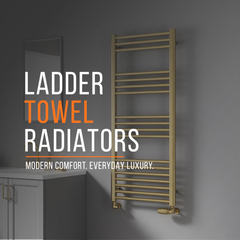
Ladder rails are still the most popular option in UK bathrooms, and for good reason.
They’re practical, reliable, easy to live with, and suit almost any type of bathroom. The evenly spaced bars make it easy to hang multiple towels, which is why they work particularly well in busy family homes.
Another advantage is flexibility. Ladder rails are available in:
- Compact sizes for en-suites
- Medium sizes for standard bathrooms
- Tall vertical models for larger family bathrooms
They also tend to offer excellent value for money compared to more decorative designer styles.
If you want something timeless that simply works well year after year, a ladder rail is hard to beat.
Perfect for:
- Family bathrooms
- En-suites
- Rental properties
- Traditional and modern homes
You can browse our full range of ladder-style bathroom radiators here.


Reina Avola Designer Towel Rail

Reina Chisa Mild Steel Towel Rail Gunmetal / Brass

Kartell Sherbrooke Towel Rail
Designer Towel Rails
Designer towel rails have become far more popular over the last few years, particularly in high-end bathroom renovations and modern homes.
These are the towel rails people actually notice when they walk into a bathroom.
Instead of standard round bars, designer models often feature:
- Flat panels
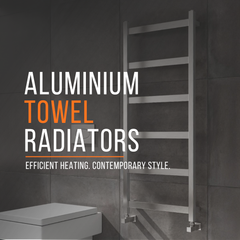
- Square tubing
- Asymmetrical layouts
- Open-sided designs
- Contemporary geometric styling
They give the bathroom a cleaner, more premium look while still being practical enough for everyday use.
Popular finishes include:
- Anthracite
- Matt black
- Brushed brass
- Gunmetal
- White textured finishes
Designer towel rails are especially popular in:
- New builds
- Luxury bathroom renovations
- Hotel-style bathrooms
- Contemporary interiors

Reina Serena Designer Bathroom Towel Radiator

DRS Willa Towel Rail

Kartell Newark Towel Rail

Reina Carpena Aluminium Heated Towel Rail


Buying Advice
If you want this to work properly long-term:
- Always size correctly based on your room
- Don’t go too small just to save money
- Stick to known brands
- Plan installation before buying
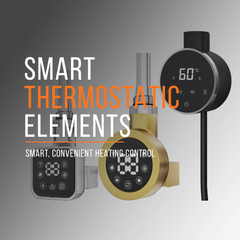
- Consider a timer or smart element
The biggest mistake people make is treating it like a standard radiator. It’s not. It’s a flexible heating solution.
Common Mistakes to Avoid
- Choosing the wrong wattage element
- Running both heating modes together
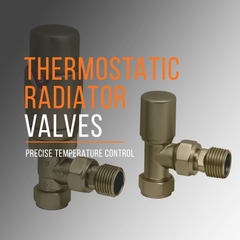
- Using TRVs in humid bathrooms
- Poor installation
- Ignoring BTU requirements
Avoid these and your towel rail will perform properly for years.
Frequently Asked Questions About Dual Fuel Towel Rails
Are dual fuel towel rails worth it?
Yes. They’re one of the most practical upgrades for UK bathrooms, giving you year-round use without relying fully on central heating.
Do dual fuel towel rails use a lot of electricity?
No. Most cost between £3 and £7 per month during summer use.
Can I leave a dual fuel towel rail on all day?
You can, but using a timer is more efficient and better for long-term use.
Can a dual fuel towel rail heat a bathroom?
Yes, if sized correctly. Always check the BTU output against your room size.
What size dual fuel towel rail do I need?
It depends on your room. Small bathrooms need less output, larger spaces require higher BTU ratings.
Can I convert my existing towel rail to dual fuel?
In many cases yes, but you must check compatibility with the manufacturer.
Are dual fuel towel rails safe in bathrooms?
Yes, when installed correctly by a qualified electrician and compliant with UK regulations.
Do I need a timer or thermostat?
Not essential, but highly recommended for efficiency and convenience.
What happens if I run both modes together?
It reduces efficiency and can damage the heating element.
Are chrome towel rails less efficient?
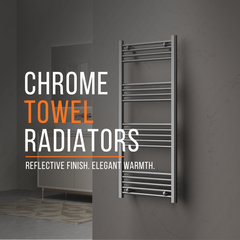
Yes, slightly. Painted finishes like anthracite tend to give better heat output.
How long do heating elements last?
Several years if used correctly and properly installed.
Can I install a dual fuel towel rail myself?
Plumbing may be possible if experienced, but electrical work must be done professionally.
Are dual fuel towel rails good for small bathrooms?
Yes, especially vertical ladder designs that save space.
Do they increase energy bills?
Only slightly. They are far more efficient than heating your whole house.
Do they add value to a home?
They improve comfort and appeal, which can help when selling.
Final Thoughts
A dual fuel towel rail is one of those upgrades that makes everyday life easier without a huge running cost.
Warm towels in summer. A comfortable bathroom all year. No need to rely on your central heating system.
If you’re upgrading your bathroom, it’s one of the smartest additions you can make.
Browse the full range below
Customer Installed Pictures


