

























Can You Paint Radiators with Emulsion? (UK 2026 Guide)

Last updated: 2026 | Real advice from UK heating specialists
Quick Answer
Yes, you can paint a radiator with emulsion… but on its own, it will not last.
To stop peeling, cracking, or that horrible patchy finish, you must seal it with a heat-resistant clear coat.
If you want something more durable and less hassle, radiator paint or satinwood is the better long-term option.
Why This Question Is Everywhere Right Now
Searches like:
- "Can you paint a radiator with emulsion UK"
- "Best paint for radiators 2026"
- "How to paint a radiator without removing it"
have exploded recently.
Why?
Because homeowners are trying to:
- Refresh old radiators instead of replacing them
- Match radiators to modern interiors
- Improve the look without spending hundreds
And with rising energy costs, people are also questioning whether it affects heat output.
Can You Use Emulsion on Radiators?
Technically yes. Practically, not without protection.
Standard emulsion is not designed for heat. Radiators constantly expand and contract, which causes:
- Cracking after a few heat cycles
- Peeling around edges and joints
- Yellowing, especially on white radiators
- A slight smell when first heated
That's why a heat-resistant lacquer or overcoat is essential.
Without it, expect to redo the job within a year.

Best Paint for Radiators in the UK (2026)
Here's the honest breakdown based on what actually works in UK homes:
|
Paint Type |
Durability |
Heat Resistance |
Finish |
Best Use |
|
Emulsion + overcoat |
Medium |
Medium |
Matte/any colour |
Budget refresh |
|
Radiator paint |
High |
High |
Usually white |
Standard radiators |
|
Satinwood |
Very high |
High |
Smooth/satin |
Coloured radiators |
|
Spray paint |
High |
High |
Even finish |
Column radiators |
Real Recommendation
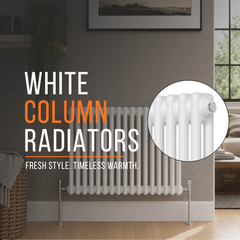
- For white radiators → use radiator paint
- For coloured finishes → satinwood is best
- For quick DIY using leftover paint → emulsion + clear coat
If you want a proper finish without repainting every few years, it's worth looking at:
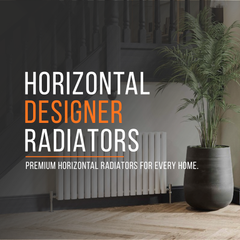
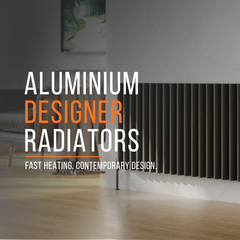
- Coloured designer radiators
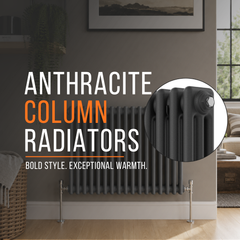
- Anthracite radiators
- Factory-finished RAL colours
These are built to last and don't fade, chip, or yellow.
How to Paint a Radiator with Emulsion (Step-by-Step)
This is the method we actually recommend to customers.
Step 1: Turn Heating Off Completely
Let the radiator go fully cold. Painting a warm radiator ruins the finish instantly.
Step 2: Clean It Properly
Use sugar soap or mild detergent. Any dust or grease will stop the paint sticking.
Step 3: Lightly Sand the Surface
You're not stripping it back, just creating grip.
This is especially important on:
- Gloss finishes
- Powder-coated radiators
Step 4: Apply a Metal Primer
Skip this and the paint won't last. Simple as that.
Step 5: Apply Emulsion (2 Thin Coats)
- Start with edges and grooves
- Use smooth top-to-bottom strokes
- Avoid thick layers
Let each coat dry properly before the next.
Step 6: Seal with Heat-Resistant Clear Coat
This is the step most people skip… and regret. It locks the paint in and stops cracking when the radiator heats up.
Step 7: Turn Heating Back On Slowly
Start low. You may notice a slight smell for a day or two. That's normal.

Can You Paint a Radiator Without Removing It?
Yes, and most UK homeowners do.
Just:
- Use a small brush for tight areas
- Place cardboard behind pipes
- Work slowly around brackets
That said, for column radiators, removing them gives a much better finish.
Does Painting a Radiator Reduce Heat Output?
This comes up all the time. In real terms, no.
As long as:
- You use thin coats
- You don't clog gaps between columns
You won't notice any difference. In fact, darker matte finishes can slightly improve heat radiation, but the difference is minimal.
When Painting Isn't Worth It
Be honest with yourself here.
Painting is fine if the radiator:
- Works properly
- Has no cold spots
- Just looks tired
But replacing is smarter if:
- It's 15+ years old
- It heats unevenly
- You're upgrading your home
- You're moving to a heat pump
Modern radiators are:
- More efficient
- Better looking
- Designed for low-temperature systems
Upgrade Option (Worth Considering)
If you're already putting time into painting, it's worth checking alternatives.
A lot of homeowners now skip DIY and go straight to:
These come:
- Pre-finished
- Scratch resistant
- With 5+ year warranties
And you avoid doing the job twice.
Frequently Asked Questions
Can you paint radiators with emulsion paint?
Yes, but only if you seal it properly. Emulsion alone will not handle heat and will crack or peel. Always apply a heat-resistant clear coat over the top for durability.
What happens if you don't seal emulsion on a radiator?
The paint will start to:
- Crack after heating cycles
- Peel around edges
- Discolour or yellow
In most cases, this happens within one heating season.
What is the best paint for radiators in the UK?
The best option depends on your goal:
- Radiator paint → best for white finishes
- Satinwood → best for coloured radiators
- Emulsion + clear coat → best for budget DIY
For long-term results, satinwood or factory-finished radiators are the most durable.
Can you paint a radiator without sanding?
You can, but it's not recommended.
Skipping sanding reduces paint adhesion, meaning the finish is more likely to peel or chip. A light sand makes a big difference to how long the paint lasts.
Do you need primer before painting a radiator?
Yes. Primer helps the paint stick to the metal and prevents rust from showing through. Without primer, even the best paint won't last properly.
Can you paint a radiator while it's still on the wall?
Yes, most people do.
Just take extra care around:
- Pipes
- Valves
- Wall edges
Use a smaller brush for tight areas and protect the wall with cardboard.
Can you paint radiator pipes with emulsion?
Yes, but the same rules apply.
You'll need:
- Light sanding
- Primer
- A heat-resistant topcoat
Pipes heat up just like radiators, so they need the same protection.
Is it better to spray paint a radiator?
Spray painting can give a smoother finish, especially on column radiators.
However, it requires:
- Proper masking
- Ventilation
- More preparation
For most DIY jobs, a brush with satinwood is easier and still gives a great finish.
Will painting a radiator make it less efficient?
No noticeable difference.
As long as you apply thin, even coats, the radiator will heat the room just as well.
Can you use Dulux emulsion on radiators?
Yes, Dulux emulsion can be used, but it must be sealed with a heat-resistant lacquer. Without sealing, it won't last.
How many coats of paint should you put on a radiator?
Usually:
- 1 coat of primer
- 2 thin coats of paint
- 1 clear protective coat
Avoid thick layers, as they can affect finish and durability.
How long should you wait before turning the heating back on?
Wait at least 24 hours after painting.
Then turn the heating on gradually to allow the paint to cure properly.
Why does painted radiator paint smell?
A slight smell is normal when the radiator heats up for the first time after painting.
It comes from the paint curing and will usually disappear within 1-2 days.
Can you paint over rust on a radiator?
Yes, but you must treat it first:
- Remove loose rust
- Sand the area
- Apply a rust-inhibiting primer
Painting directly over rust without prep will cause it to come back through.
Can you paint chrome radiators with emulsion?
You can, but it's more difficult.
Chrome is smooth, so you'll need:
- Heavy sanding or
- An etching primer
Without this, the paint won't stick properly.
How long does painted radiator paint last?
- Emulsion: 3-5 years
- Satinwood / radiator paint: 5-10 years
Durability depends heavily on preparation and usage.
Can you paint a radiator the same colour as the wall?
Yes, and it's a popular trend in UK homes.
It helps the radiator blend into the room, especially with:
- Neutral tones
- Feature walls
- Modern interiors
Is painting a radiator worth it?
It is if:
- The radiator works well
- You just want a visual upgrade
But if the radiator is old or inefficient, replacing it is usually a better long-term investment.
Are modern radiators better than painted old ones?
Yes. Modern radiators:
- Heat up faster
- Work better with heat pumps
- Look more stylish
- Come with durable finishes
Final Verdict
Yes, you can paint a radiator with emulsion.
But if you want it to last:
- Prep properly
- Use primer
- Apply thin coats
- Always seal it
If you want a long-term solution with no maintenance, upgrading to a factory-finished radiator is the better option.
Want a Better Finish Without the DIY?
At Designer Radiator Showroom, we supply:
- Anthracite radiators
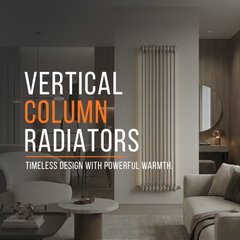
- Vertical designer radiators
- Custom RAL coloured radiators
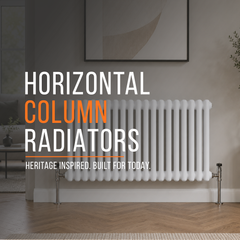
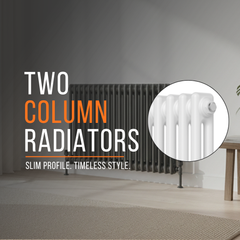
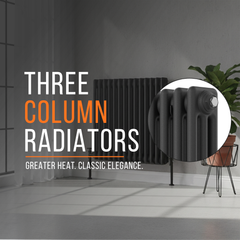
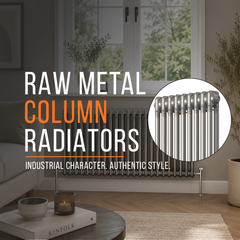
- Column radiators (2 column, 3 column, vertical & horizontal)
All built for UK homes and modern heating systems.
Browse the full range here:
our full radiator range


