

















Which Radiators Are Most Energy Efficient & Cost‑Effective? (2026 Cost-Saving Guide)

Which Radiators Are the Most Energy Efficient?
With energy bills remaining a top concern for UK households, heating your home efficiently has never been more important. While many people focus on their boiler or insulation, your choice of radiator plays a massive role in how much energy you use and how much you pay.

Choosing the most energy-efficient radiators can significantly reduce waste and lower your monthly outgoings. But with so many options available from modern aluminium to traditional cast iron, which material is actually best for your home?
In this updated guide, we compare the efficiency, heat output, and cost-effectiveness of the most popular radiator types to help you make the right choice.
1. Aluminium Radiators: The Efficiency Champions
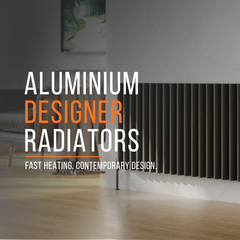
If your primary goal is reducing energy bills and rapid heating, Aluminium radiators are widely considered the best option on the market today.
Why they are efficient: Aluminium is a superconductor. It heats up 5x faster than steel, meaning your room gets warm almost instantly when the heating turns on. More importantly, they have "Low Water Content." An aluminium radiator typically requires 80% less water than a standard steel radiator to produce the same amount of heat. Less water means your boiler has to work less, using less gas or electricity.
Best for Heat Pumps: Because aluminium is so conductive, it is the ideal partner for Air Source Heat Pumps and low-temperature systems. They can emit effective heat even at lower water temperatures (Delta T30), making them "future-proof."
Pros:
-
⚡ Fastest heat-up time (great for quick blasts of heat).
-
💧 Low water content (less strain on your boiler).
-
🌍 100% Recyclable (eco-friendly material).
-
📉 Best for reducing heating bills.
Browse our Aluminium Radiator Collection
Shop the products featured here:
- Reina Casina Loco Horizontal Double Designer Radiator
- Reina Casina Loco Vertical Double Designer Radiator
- Vogue Fly Line Aluminium Double Vertical Radiator
- DRS Slimline Vertical Radiator Sleek Modern Limited Stock
2. Cast Iron Radiators: The "Heat Battery"
Cast iron radiators are famous for their stunning period look, but their efficiency works differently than aluminium. Think of them as a heat battery.
Why they are efficient: Cast iron takes a long time to heat up, but it has excellent thermal mass. Once hot, it stays warm for hours after you turn your central heating off. This provides a steady, gentle ambient heat that prevents the room from going cold quickly.
Best for: Large, older properties with high ceilings or drafty rooms. In these spaces, the "retention heat" helps maintain a stable temperature better than lightweight radiators that cool down instantly.
Pros:
🔥 Excellent heat retention (stays warm for hours).
🏛️ Perfect for period properties and high ceilings.
💪 Incredibly durable (can last a lifetime).
Explore our Cast Iron Radiator Collection
Shop the products featured here:
- Paladin Victoriana 4 Column 760mm Traditional Cast Iron Radiator
- Paladin Victoriana 4 Column 460mm Cast Iron Radiator
- Paladin Victoriana 3 Column 745mm Traditional Cast Iron Radiator
- Paladin Victoriana 3 Column 645mm Cast Iron Radiator
3. Column Radiators: The Stylish Hybrid
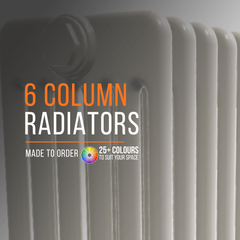
If you love the vintage look of Cast Iron but want the faster heat-up times of modern steel, Column Radiators are the perfect middle ground.
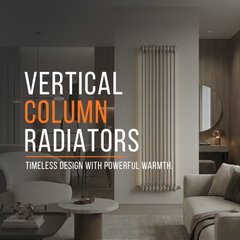
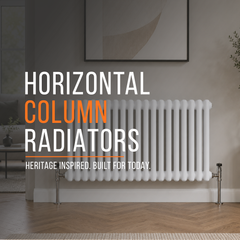
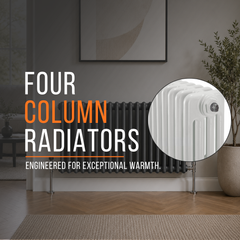
Why they are efficient: Unlike standard flat panels, column radiators are designed with multiple rows (columns) of hollow steel tubes. This design creates a massive surface area in a compact footprint. The gaps between the columns generate a "chimney effect," pulling cold air up from the floor, heating it, and circulating it rapidly around the room.
Best for: Period properties that need a traditional look without the heavy weight of cast iron, or modern industrial-style apartments. They are versatile enough to work efficiently in both high-ceilinged living rooms and narrow hallways (especially vertical models).
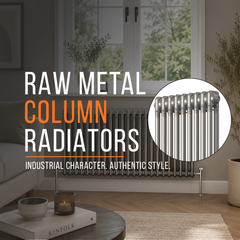
The "Raw Metal" Trend: One of the most efficient finish options is Raw Metal (lacquered steel). Because it lacks thick layers of powder coating, it radiates heat slightly more effectively than painted models, giving you a stunning industrial look with maximum output.
Pros:
🚀 Faster heat-up than cast iron (made of lighter steel).
🔥 High Heat Output: Multi-column designs (2 or 3 columns) pack huge BTUs into small spaces.
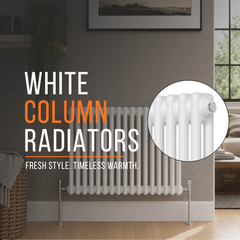
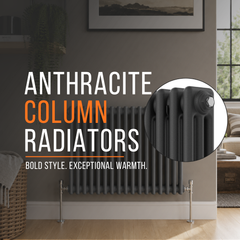
🎨 Stunning Finishes: Available in Anthracite, White, Raw Metal and many more colours.
🏆 Great Warranty: Models like the Aura 2 & 3 Column range come with a 5-year guarantee.

Aura 2 Column Horizontal Radiator 600mm x 830mm Anthracite

Aura 2 Column Vertical Radiator 1800mm x 425mm White

Aura 3 Column Vertical Radiator Anthracite 1800 x 290

Aura 3 Column Horizontal Radiator 600mm x 830mm White Roomshot
4. Electric Radiators: Precision and Zoning
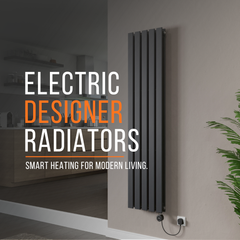
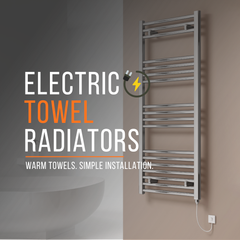
Electric heating has evolved massively. Modern electric radiators are no longer expensive storage heaters; they are smart, precise heating instruments.
Why they are efficient: Electric radiators are 100% efficient at the point of use, meaning every watt of electricity used is converted into heat. Their real power lies in Zoning. You can heat just one room (like a home office) without turning on the central heating for the whole house.
Look for LOT 20 Compliance: Modern electric radiators come with "Lot 20" smart features, such as:
Open Window Detection: Automatically turns off if it senses a draft.
Wi-Fi Control: Manage your heating from your phone.
Adaptive Start: Learns how long your room takes to heat up.
Pros:
📱 Smart control (heat only the rooms you use).
🚫 No plumbing required (great for extensions/conservatories).
⚡ 100% energy conversion.
Shop the products featured here:
- Terma Easy One Electric Towel Radiator
- Eucotherm Vega Electric Vertical Radiator
- Eucotherm Vulkan Electro Vertical Electric Radiator
- Eucotherm Mars Electro Vertical Electric Radiator
5. Steel Radiators: The Reliable Standard
Mild steel is the most common radiator material in the UK for a reason: it offers a great balance between value and performance.
Why they are efficient: While not as conductive as aluminium or as retentive as cast iron, steel is a reliable middle ground. They are affordable to buy and retain heat reasonably well. For a standard renovation on a budget, they are often the most cost-effective choice in terms of upfront investment.
Pros:
💰 Most affordable upfront cost.
🎨 Huge range of designs and sizes.
⚖️ Good all-round performance.
View Best-Selling Steel Models
Shop the products featured here:
- Aura 3 Column Horizontal Radiator 600mm x 785mm White
- Aura Luna Single Flat Vertical Designer Radiator
- Aura Column Horizontal Designer Radiator
- Aura 2 Column Horizontal Radiator 600mm x 1190mm White
5. Chrome Radiators & Towel Rails: Style Over Output?
We often get asked: "Are chrome radiators efficient?"
The honest answer is that chrome plating acts as an insulator. A chrome radiator will typically output roughly 20% less heat than a painted (white or anthracite) radiator of the same size.
The Efficiency Hack: Dual Fuel Kits To make your bathroom efficient, we recommend a Dual Fuel setup. This allows you to heat the rail via your central heating in winter, but use an electric element in summer. This way, you get dry towels in July without firing up the boiler for the whole house.
Shop the products featured here:
- Aura 3 Column Horizontal Radiator 600mm x 785mm White
- Aura Luna Single Flat Vertical Designer Radiator
- Aura Column Horizontal Designer Radiator
- Aura 2 Column Horizontal Radiator 600mm x 1190mm White
Summary Table: At a Glance
| Radiator Type | Heat Up Speed | Heat Retention | Best Use Case |
| Aluminium | ⭐⭐⭐⭐⭐ (Very Fast) | ⭐⭐ | Heat Pumps, Modern Homes, Saving Money |
| Column (Steel) | ⭐⭐⭐⭐ (Fast) | ⭐⭐⭐ (Medium) | Vintage Style, High Heat Output, Hallways |
| Cast Iron | ⭐⭐ (Slow) | ⭐⭐⭐⭐⭐ (High) | Large Rooms, Period Homes, High Ceilings |
| Standard Steel | ⭐⭐⭐ (Medium) | ⭐⭐⭐ | General Use, Budget Renovations |
| Electric | ⭐⭐⭐⭐⭐ (Instant) | ⭐ (Low*) | Extensions, Home Offices, Zoned Heating |
*Note: Electric radiators heat air instantly but cool down fast once off, unless they have ceramic cores.
Frequently Asked Questions (FAQs)
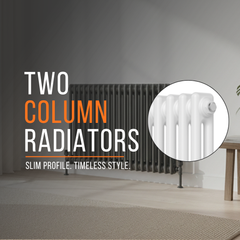
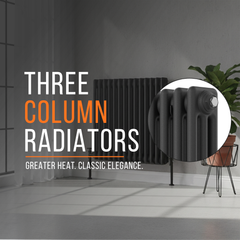
1. What is the difference between 2-column and 3-column radiators? The number of columns refers to the thickness of the radiator. A 3-column radiator has an extra row of tubes, meaning it has a larger surface area and generates significantly more heat (BTUs) than a 2-column model of the same height. Choose 3 or 4 columns for larger rooms where wall space is limited.
2. Do black or raw metal radiators give out less heat? Technically, matte black and Raw Metal surfaces emit heat better than shiny chrome. While the difference between white and anthracite paint is negligible for your bills, choosing a Raw Metal column radiator is an excellent choice for maximum efficiency and industrial style.
3. Are old radiators less efficient? Yes. Over time, radiators build up "sludge" (magnetite) inside, creating cold spots at the bottom. This forces your boiler to work harder. Replacing old panels with modern column or aluminium ones can instantly improve system performance.
4. How do I calculate the right size radiator? Efficiency isn't just about material; it's about size. An undersized radiator stays on constantly, wasting energy. An oversized one costs too much to buy. Use our BTU Calculator to find the exact size needed for your room's dimensions.
Final Thoughts: Which Should You Choose?
For maximum monthly savings: Choose Aluminium.
For vintage style with modern speed: Choose Column Radiators.
For authentic period looks: Choose Cast Iron.
For easy installation and control: Choose Electric.
Ready to upgrade your home heating? The right radiator pays for itself over time in energy savings.
👉 Calculate Your Room's BTU Requirement Here
👉 Speak to our Team for Free Advice on 01257 452 879


