






















Vertical vs Traditional Radiators: What’s Best?

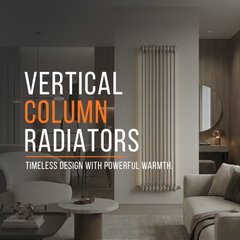
Vertical radiators are a type of heating device designed to be installed upright on a wall, with their height being greater than their width. Unlike traditional horizontal radiators, which are longer and lower. When choosing between vertical and traditional (horizontal) radiators, several factors come into play, including aesthetics, efficiency, space, and heat distribution. Here's a breakdown to help you decide which might be best for your needs:
AESTHETICS AND DESIGN
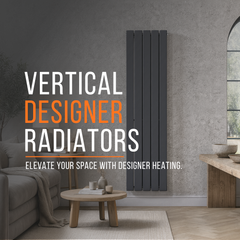
Vertical Radiators: These are often chosen for their modern and sleek appearance. They come in various designs and colours, making them a stylish addition to contemporary interiors. Vertical radiators can serve as a design feature, adding visual interest to a room.
The Reina Neva Vertical Radiator is a perfect illustration of this. With its sleek, minimalist design and availability in various finishes like anthracite, white, and polished, it can easily become a focal point in a modern living space, adding both function and style.
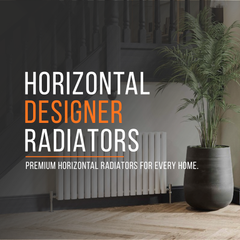
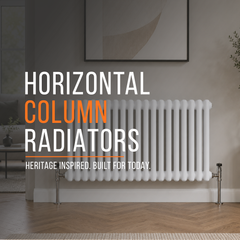
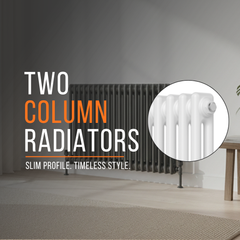
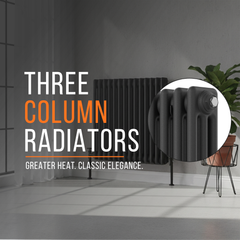
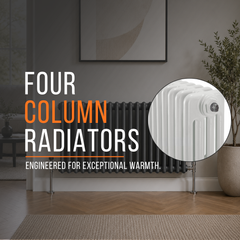
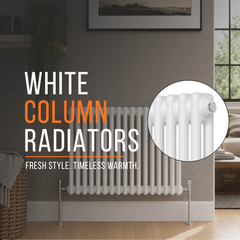
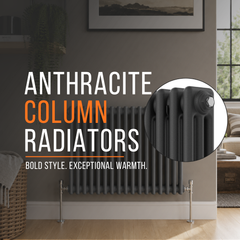
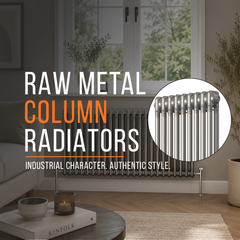
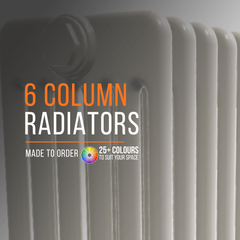
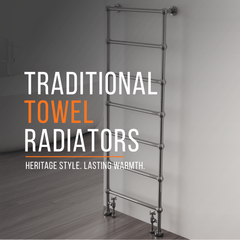
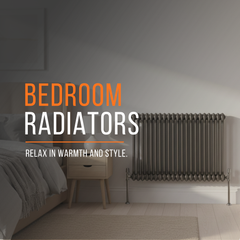
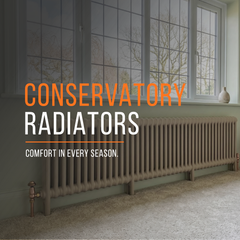
Traditional Radiators: Traditional radiators, often horizontal, have a classic look that suits more conventional or period homes. They are available in a wide range of styles, including column radiators that give a vintage feel.

SPACE-SAVING
Vertical Radiators: Ideal for rooms with limited wall space, such as narrow hallways, bathrooms, or small kitchens. They take up less horizontal space, allowing for better use of the available area, which can be particularly useful in smaller homes or flats.
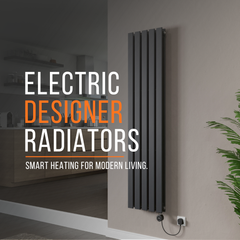
The Carisa Otto Single Electric Vertical Radiator exemplifies this feature. Its tall and narrow design makes it a smart choice for tight spaces like bathrooms or corridors, where it maximises vertical wall space without encroaching on the room's layout.
Traditional Radiators: These typically require more horizontal wall space, which might limit where you can place them, particularly in smaller rooms where wall space is at a premium.
HEAT DISTRIBUTION
Vertical Radiators: They tend to be less efficient at distributing heat evenly across a room because the heat rises upwards, which might leave lower parts of the room cooler. However, modern designs and materials can mitigate this issue to some extent.
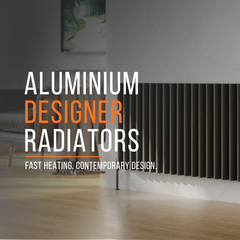
The Vogue Fly Line Aluminium Double Vertical Radiator addresses this concern with its advanced engineering, designed to improve heat distribution. It provides a good balance of style and functionality, ensuring that even with its vertical orientation, it effectively warms the room.
Traditional Radiators: These are generally better at heating a room evenly, as their horizontal design allows for more uniform heat distribution from the bottom up, making them a reliable choice for consistent warmth.
EFFICIENCY
Vertical Radiators: They can be very efficient, especially when installed in small or awkward spaces. However, due to their shape, they might require a higher BTU (British Thermal Unit) output to achieve the same heating effect as a traditional radiator.
The Carisa Nemo Double Vertical Radiator is an excellent example of efficiency in a vertical design. Available in a range of sizes and outputs, it's engineered to deliver substantial warmth, making it suitable for both small and larger rooms despite its compact footprint.
Traditional Radiators: Often more efficient in terms of heat output relative to size, as they provide a larger surface area for heat to radiate from. They're typically more efficient in larger rooms where even heat distribution is needed.
INSTALLATION AND MAINTENANCE
Vertical Radiators: Installation can be more complex, especially if you're replacing a traditional radiator, as it might require repositioning pipes and adjusting the plumbing. Maintenance is similar to traditional radiators, though accessing all parts for cleaning might be more challenging due to their height.
The Reina Neval Single Vertical highlights this aspect. It is relatively easy to install with the right plumbing adjustments and features a design that simplifies maintenance, making it a practical option for those considering a switch from traditional radiators.
Traditional Radiators: Easier to install if you're replacing an existing radiator of the same type. They are generally easier to maintain, with more straightforward access for cleaning and bleeding.
COST
Vertical Radiators: They can be more expensive than traditional radiators, both in terms of the unit cost and installation. However, they may add value to a home with their modern appearance.
The Eskimo Column Radiator might come with a higher price tag compared to standard radiators, but its high-end design and superior heat output justify the investment, offering both aesthetic appeal and functionality.
Traditional Radiators: Generally more affordable, especially for standard models. Installation costs are usually lower, especially if you're not changing the existing plumbing layout.
CONCLUSION
Choose Vertical Radiators if space is limited, you desire a modern aesthetic, or you need to make the most of awkward wall spaces. They're a great choice for small rooms or those with limited horizontal wall space.
Choose Traditional Radiators if you prefer a more classic look, need efficient and even heat distribution, or have plenty of horizontal wall space. They're typically more cost-effective and easier to install, especially in larger rooms.
If you are looking for vertical or traditional radiators, our radiator showroom has all the choices to do so. Need a hand choosing the right model for you or want to check stock? Our expert sales team is on hand Monday-Friday 9-5pm – 01257 452879, sales@designerradiatorshowroom.co.uk


